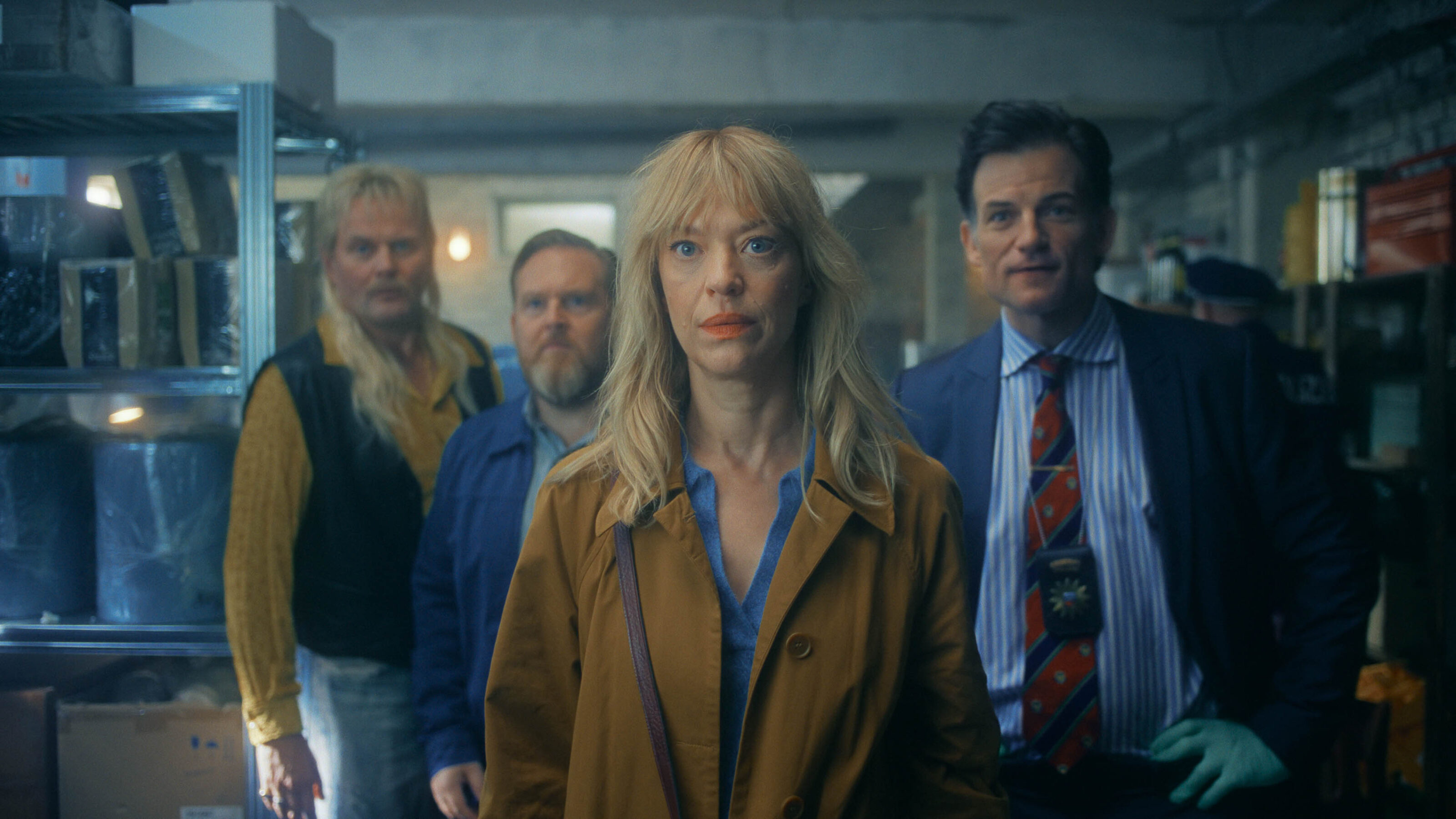
Diversity in figures: UFA presents latest on-screen diversity data
15.10.2025
In 2020, UFA made a voluntary commitment to make the diversity of German society visible in the overall annual portfolio of all programs. Since then, the presence of previously underrepresented groups – such as women, people of color, people with disabilities, LGBTIQ+ and, since 2022, older people – in UFA productions has been surveyed every year in order to compare them with social realities. The fourth count to date was carried out for the production year 2024.
The proportion of people identified as female rose again and is now 51.2%, which is almost in line with the target value of an even gender distribution. People of Color accounted for 7.2% of roles and actors, meaning that their visibility remains stable, even if they do not yet reach the comparable figure for Germany as a whole. The representation of LGBTIQ+ people has fallen slightly to 2.2%, while 1.6% of people with disabilities are currently visible – there is still room for improvement. In terms of age, it can be seen that people over 50 are still less frequently represented in leading roles and as main actors, with 30.8% of the total number of roles cast falling into this age group. Particularly pleasing: lead roles have a higher visibility in the areas of PoC, LGBTIQ+ and people with disabilities, which underlines the value of diversity in central positions. The average diversity achieved sometimes varies greatly depending on the formats that are commissioned.
A total of 2668 leading and supporting roles in 32 UFA productions in 2024 were examined. The results of the recently published study can be accessed in detail here: