
NACHT ÜBER BERLIN (original title)
UFA FICTION GmbH • Cinema • MDR • 20.02.2013
NACHT ÜBER BERLIN tells the tragic love story of ballroom owner Henny Dallgow and Jewish doctor Albert Goldmann against the backdrop of social upheaval at the end of the Weimar Republic. In the midst of the political and social turmoil that ultimately leads to Hitler's seizure of power, their love is repeatedly put to the test.
The plot of the film is based on the historical events between the summer of 1932 and the night of February 27-28, 1933, when the Reichstag burned down in Berlin.
Based on the screenplay by Dr. Rainer Berg and director Friedemann Fromm, NACHT ÜBER BERLIN is a story that closely interweaves German history and human destinies to illustrate the extent to which political developments affected the lives of every individual at the time.
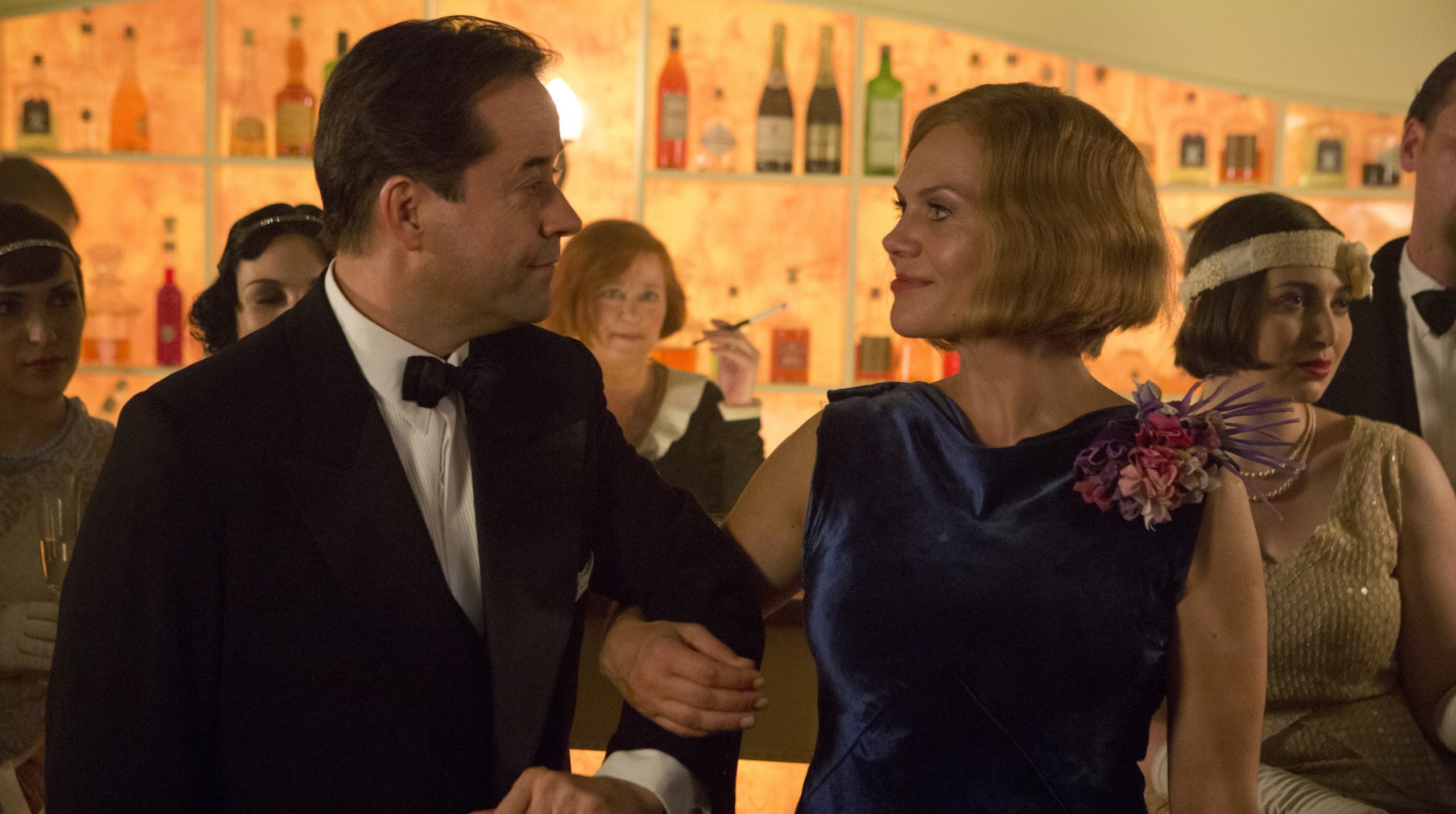
The Jewish ballroom owner Matze Belzig, brilliantly played by Jürgen Tarrach, stands on the stage of his ballroom in garish make-up, while downstairs, in the stalls, SA men dance to hot swing rhythms – the absurd chaos and the end-time mood in the last days of the Weimar Republic are wonderfully captured in this scene.
Above all, however, a first-class ensemble shines in this tragic story about a great love and about people who, in the face of political upheaval and terror on the streets, seek the right path for themselves and reveal their true character in the process. Anna Loos and Jan Josef Liefers lead the way as Henny Dallgow and Albert Goldmann – the self-confident bourgeois daughter from a good family and the doctor who sits in the Reichstag for the SPD, who come together only hesitantly, with much skepticism about the other’s world, and inevitably get caught up in the maelstrom of political events. The film cannot and does not want to get involved in the historical debate about who set the Reichstag fire and for what motives, but tells its own version of what happened on the night that served as a pretext for the Nazis to suspend basic rights and mercilessly persecute their opponents.
Content of the movie
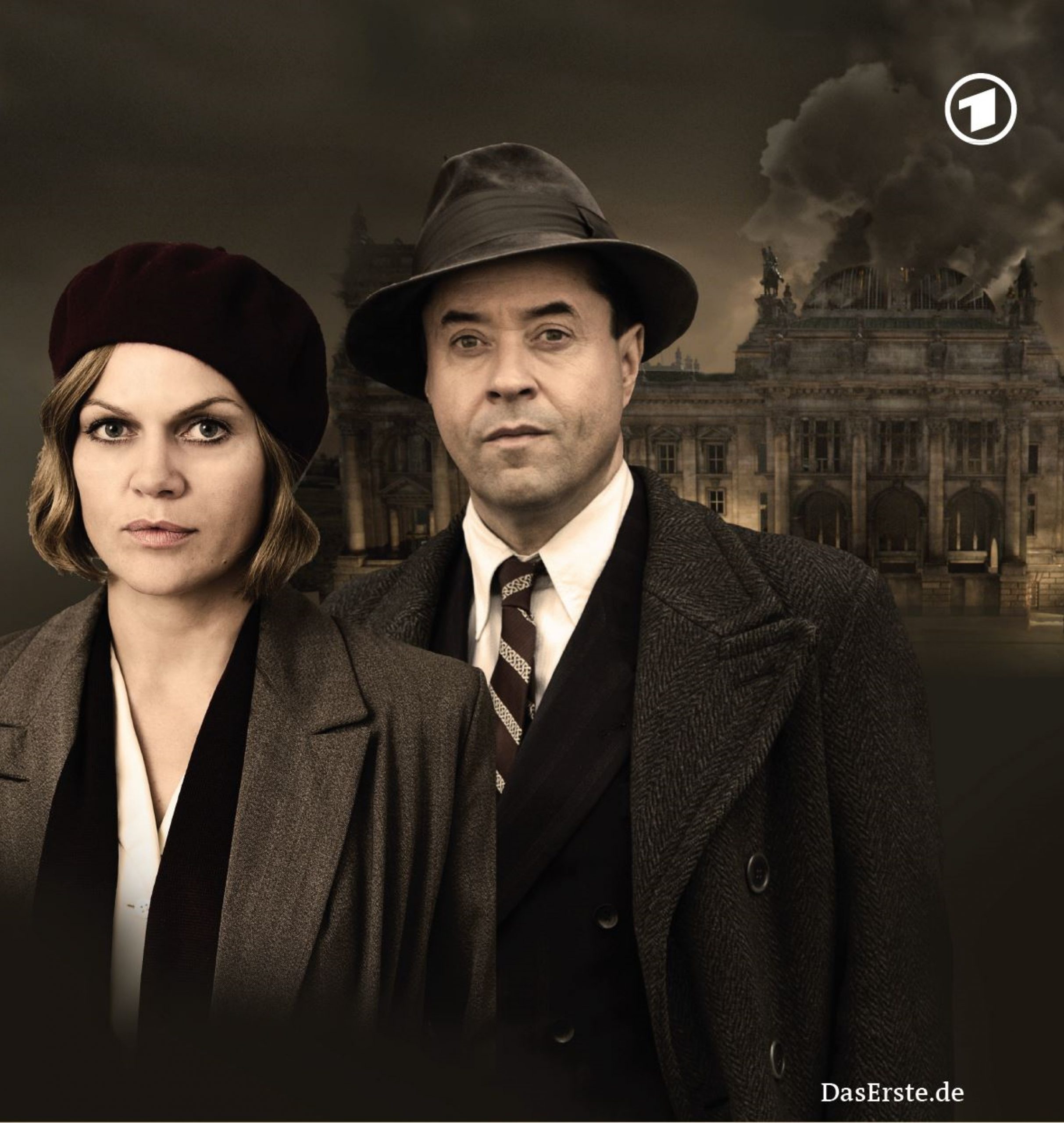
Albert Goldmann (Jan Josef Liefers) is a moderate SPD member of the Reichstag in Berlin. After his experiences in the First World War, the idealistic Jewish doctor has become a passionate democrat who wants one thing: no more war! Contrary to his pacifist convictions, he is persuaded by his younger brother Edwin (Franz Dinda), a member of a radical communist cell, to take on a tricky courier service. He is promptly caught up in a police check and only escapes detection thanks to the spontaneous help of the self-confident Henny Dallgow (Anna Loos). The daughter of a wealthy family is impressed by the committed doctor who helps the socially disadvantaged and, as a feisty member of the Reichstag, campaigns for the continued existence of the young, not very respected democracy. Henny, on the other hand, makes her personal dream come true and takes over the sophisticated “Ballhaus” from the Jew Matze Belzig (Jürgen Tarrach), who recognizes the signs of the times and emigrates to America in time. As a singer who naturally counts SA men among her guests at the “Ballhaus”, Henny finds herself in a world that initially repels Albert. Despite these contrasts, a great love develops under the most difficult conditions imaginable. In February 1933, as the situation on the streets escalates, Henny learns from her cousin’s future husband Uta (Claudia Eisinger), the careerist Erhart von Kühn (Sven Lehmann), who has turned to the Nazis, that Albert is in danger. She wants to warn him, but Albert is on his way to the Reichstag to prevent a confused patient from putting a fatal idea into practice.
Cast & Crew
CAST
Henny Dallgow
Anna Loos
Albert Goldmann
Jan Josef Liefers
Erhart von Kühn
Sven Lehmann
Uta Dallgow
Claudia Eisinger
Matze Belzig
Jürgen Tarrach
Edwin Goldmann
Franz Dinda
Vera
Stella Hilb
Hans
Christian Erdmann
Willi Dallgow
Ingrid Mülleder
Gunda
Marie Gruber
Marinus van der Lubbe
Johannes Klaußner
CREW
Screenplay
Dr. Rainer Berg, Friedemann Fromm
Direction
Freidemann Fromm
Camera
Jo Heim
Producer
Norbert Sauer, Cornelia Wecker
Editorial office
Diane Wurzschmitt (ARD Degeto), Wolfgang Voigt (MDR), Frank Tönsmann (WDR), Dr. Josephine Schröder-Zebralla (rbb)
Casting
Heta Mantscheff
Production design
Lothar Holler, Joris Hamann
Costume design
Monika Hinz
Make-up
Grit Kosse, Uta Spikermann
Cut
Annemarie Bremer
Music
Florian de Gelmini
Sound
Michael Schlömer, Bastian Büßer, Bernd Hackmann
Production management
Frank W. Mähr
Production management
Frank Nitz
Customer



Play credits
Pause credits