
Lotte am Bauhaus (original title)
UFA FICTION GmbH • TV Movie • The first • 13.02.2019
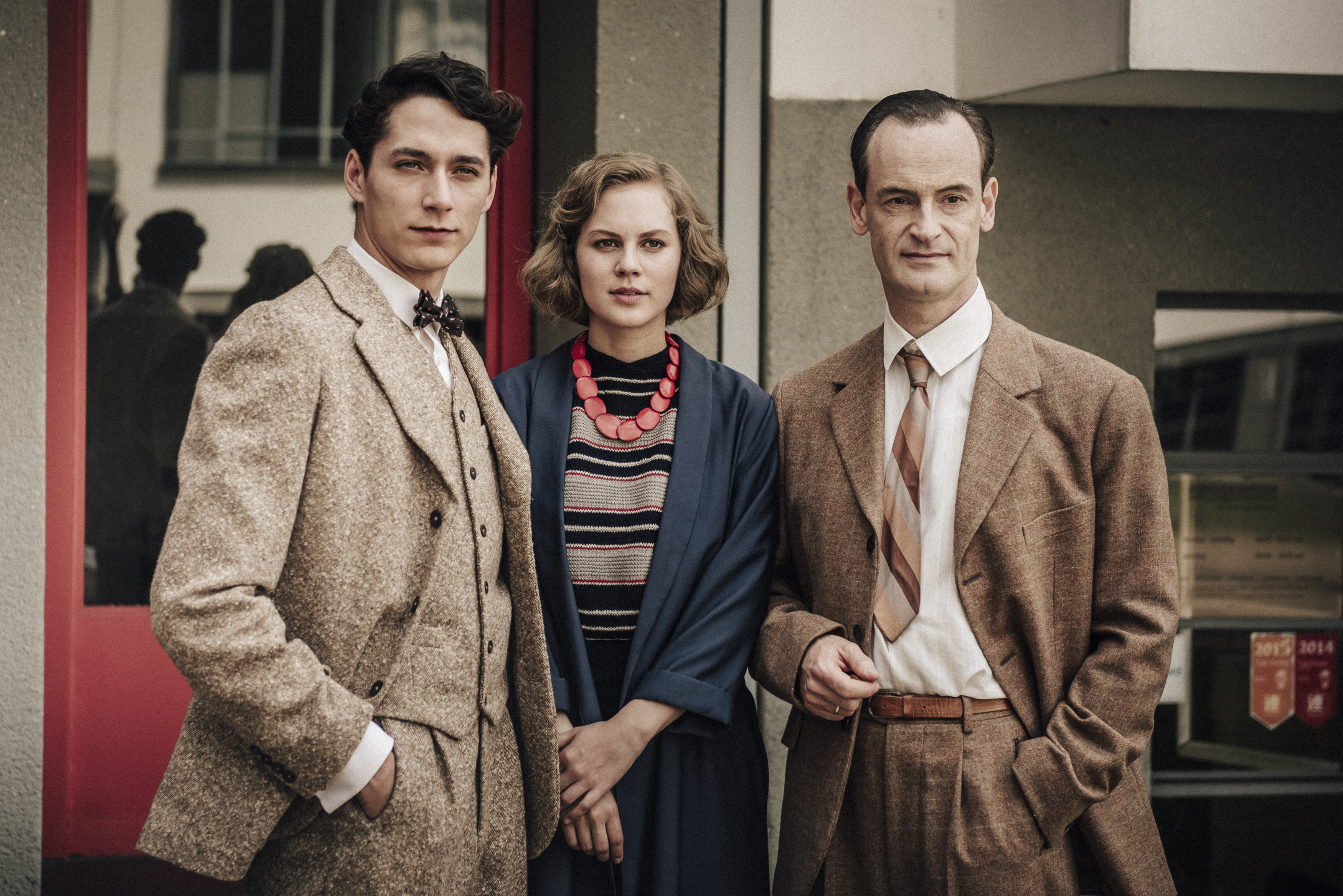
The UFA FICTION event film "Lotte am Bauhaus" for the anniversary "100 Years of Bauhaus" with Alicia von Rittberg, Noah Saavedra, Jörg Hartmann and others was broadcast on Das Erste on February 13, 2019 to mark the anniversary year.
The Bauhaus is one of the most important artistic movements to emerge from Germany and influence the whole world. Founded in Weimar in 1919 by Berlin architect Walter Gropius, 2019 marks the centenary of the founding of the Bauhaus movement. The Bauhaus idea of combining art, architecture and craftsmanship in an ideal way was intended to revolutionize everyday life and create the basis for a new, better world.
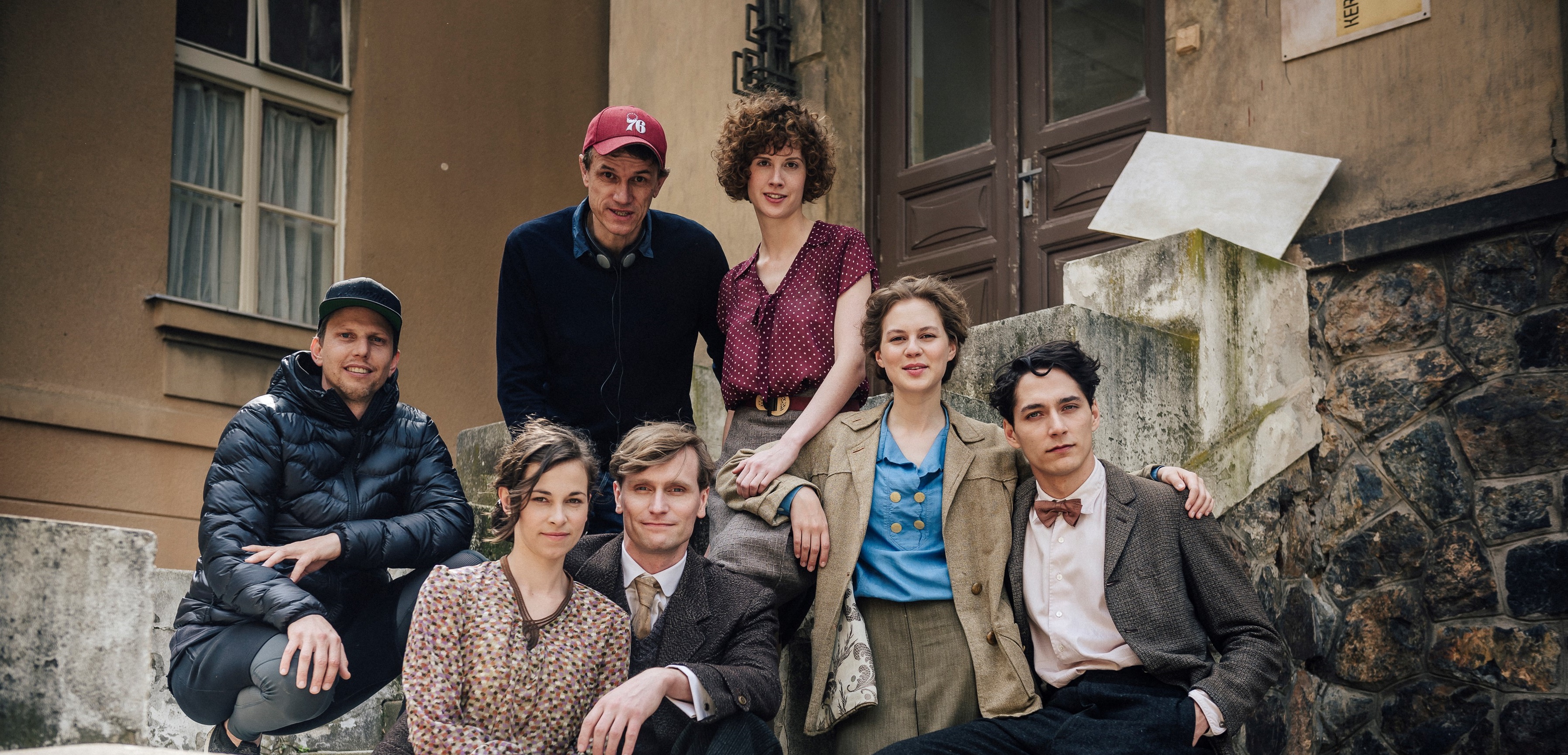
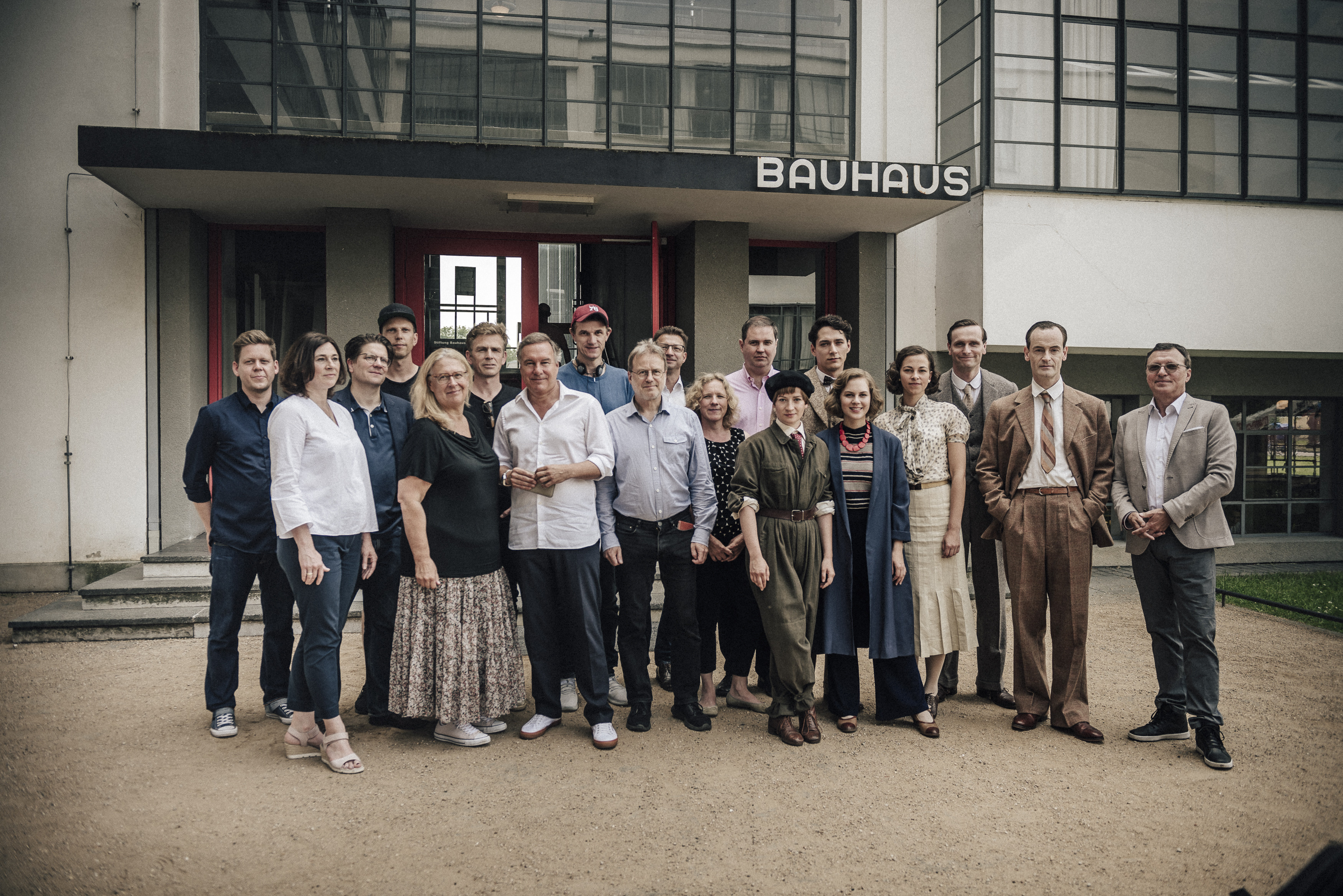
Director Gregor Schnitzler (“Die Wolke”, “Tatort”) directs from a screenplay by Jan Braren (“Homevideo”, “Mitten in Deutschland: NSU”), with Christian Stangassinger in charge of the camera. The focus is on the young art student Lotte Brendel, played by Alica von Rittberg (“Charité”), who leads the viewer through the years of the Bauhaus in Germany – from the time shortly after it was founded to its imminent dissolution by the National Socialists. The acting ensemble includes Noah Saavedra, Marie Hacke, Ulrich Brandhoff, Julia Riedler, Nina Gummich and Christoph Letkowski. Jörg Hartmann is in front of the camera in the role of Bauhaus director and master Walter Gropius. Filming took place in Prague, Weimar and Dessau until the beginning of June. The original locations include the Bauhaus and the Haus am Horn in Weimar and the Masters’ Houses and the Bauhaus in Dessau.
Contents
Synopsis: The life of 20-year-old Lotte Brendel(Alicia von Rittberg) seems to have been mapped out by her father – as a wife and mother alongside a man who is to take over her parents’ carpentry business. Against her family’s wishes, the headstrong and artistically gifted Lotte joins a group of young artists, applies to the Bauhaus – and is accepted. The Weimar Bauhaus, under the direction of the visionary Walter Gropius (Jörg Hartmann), claimed not only to combine art and craftsmanship, but also to find a place for the “New Man”. Lotte finds a supporter and the love of her life in Bauhäusler Paul Seligmann(Noah Saavedra). She is given the opportunity to complete her studies as a woman on an equal footing – under the guidance of world-famous artists such as Johannes Itten(Christoph Letkowski), Lyonel Feininger, Wassily Kandinsky, Paul Klee and Oskar Schlemmer.
But the break with her family, who deny her any financial support and refuse to accept her desire for self-realization for a long time, puts a strain on Lotte. Lotte and Paul try to live as equals. The artist couple’s relationship is repeatedly put to the test by their environment. When the Bauhaus came under increasing political pressure from right-wing conservative and nationalist forces and voices were raised even at the school that saw the “German essence” in art under threat, Walter Gropius decided to move the Bauhaus to Dessau. Paul and Lotte, who now have a daughter together, follow the art school to the unfamiliar city. Here, the new living situation and the struggle for professional recognition lead to fierce conflicts…
Further information
“Lotte am Bauhaus” is a production of UFA FICTION in co-production with MDR, ARD Degeto and SWR as well as MIA Film for Das Erste, funded by the Mitteldeutsche Medienförderung (MDM) and the Czech State Fund for Cinematography.
The editors are Jana Brandt and Sven Döbler (MDR), the editor at ARD Degeto is Claudia Luzius, the editor at SWR is Michael Schmidl. Producers are Benjamin Benedict and Nico Hofmann, executive producer is Matthias Adler (UFA FICTION). Co-producer is Michal Pokorný (MIA Film).
Play credits
Pause credits