
UNSERE WUNDERBAREN JAHRE (original title)
UFA FICTION GmbH • Series & Series • The first • since 2020Season 2 - The story of the Wolf family continues
The story of the Wolf family of factory owners at the time of the currency reform and economic miracle thrilled millions of viewers two years ago. Now the event series “Our Wonderful Years”, based on the successful novel by Peter Prange, is opening another chapter:
On March 11, 15 and 22, the series will be shown in double episodes starting at 8:15 p.m. on ARD; it will be available in the ARD media library from March 4.
Katja Riemann, Anna Maria Mühe, Hans-Jochen Wagner, Ludwig Trepte, Vanessa Loibl, David Schütter and Elisa Schlott are once again in the cast. Damian Hardung, Rocio Luz, Omid Memar, Merlin Sandmeyer, Hanna Plaß, Ella Lee, Patrick Joswig and Valerio Morigi have been cast in the other leading roles.
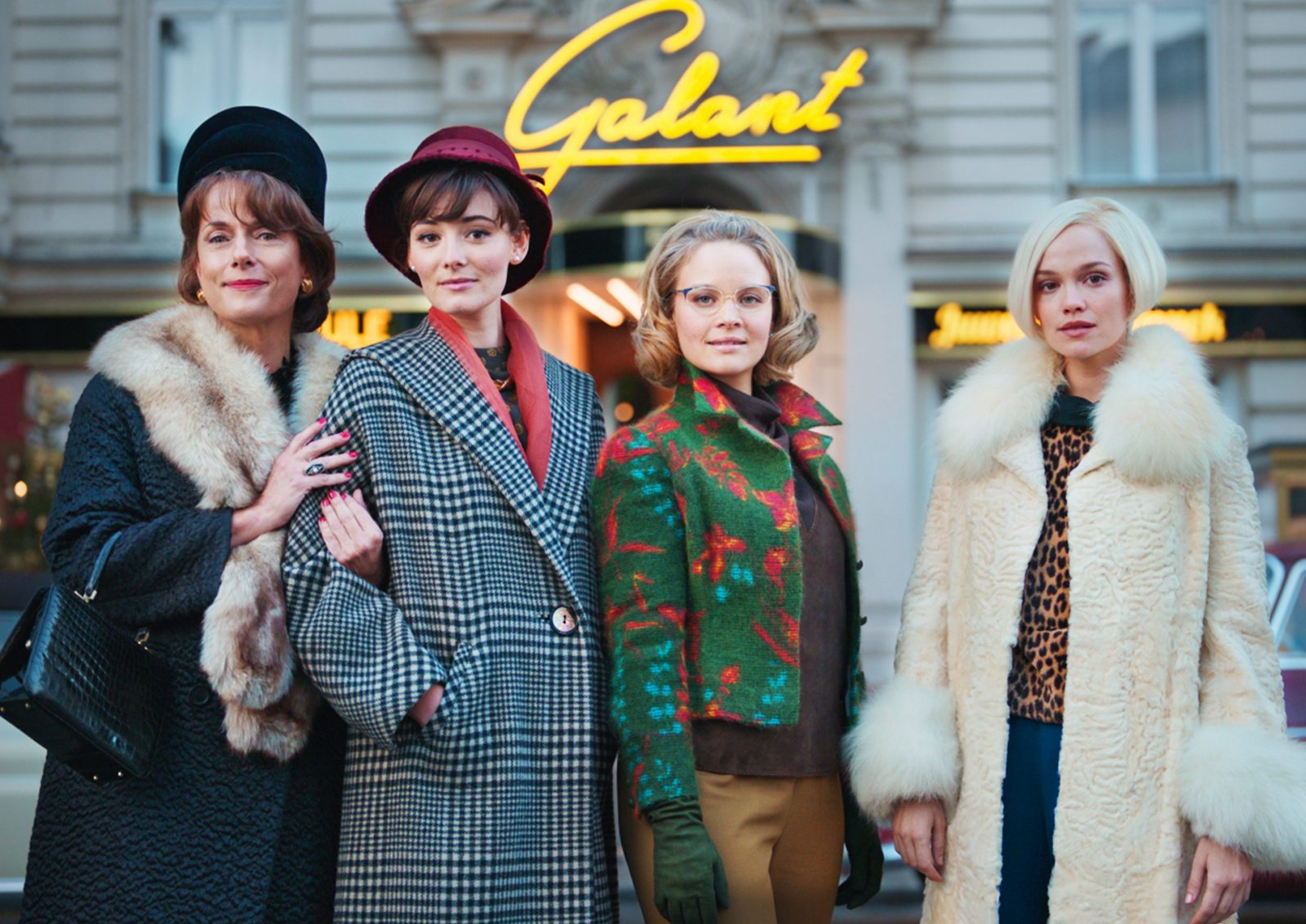
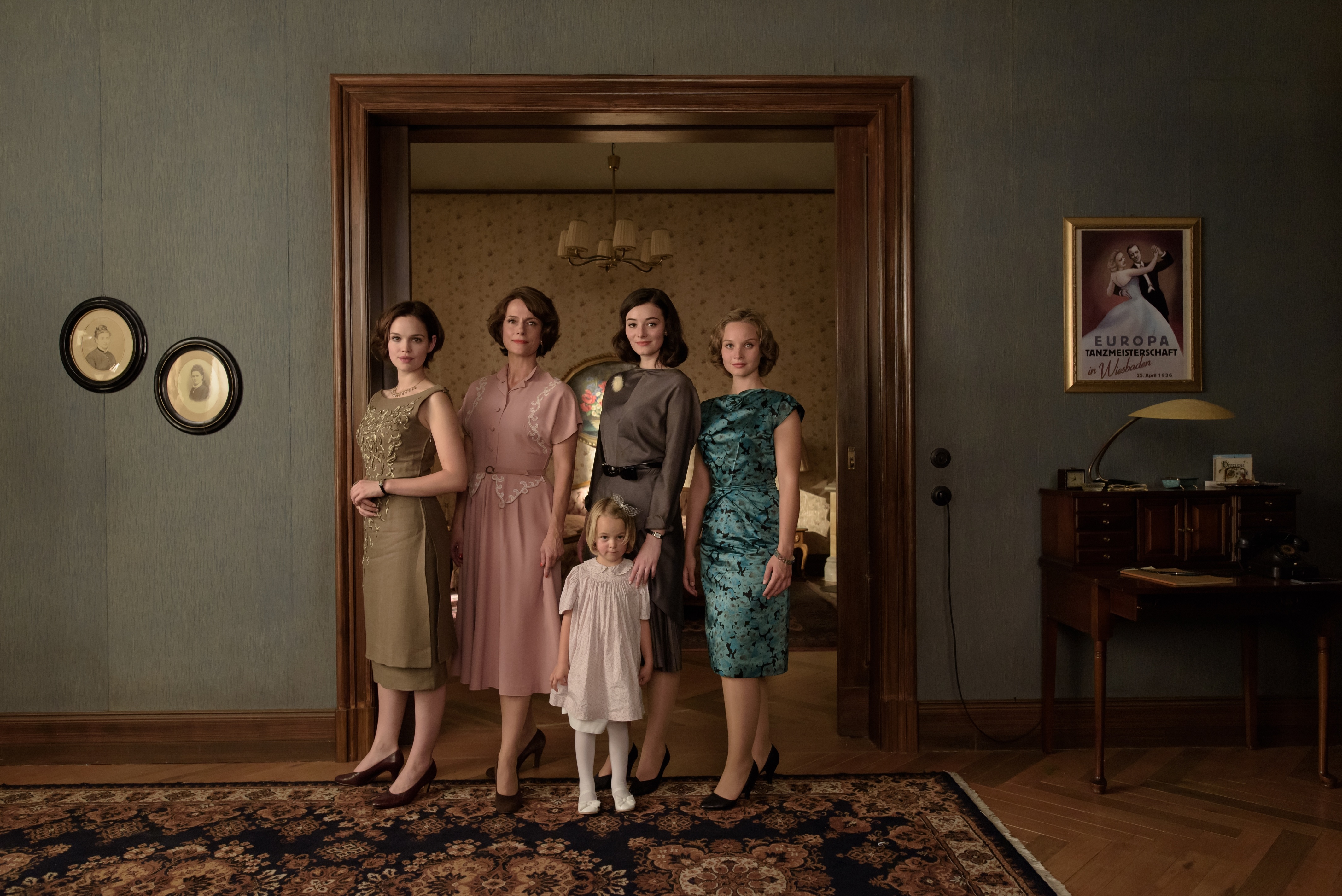
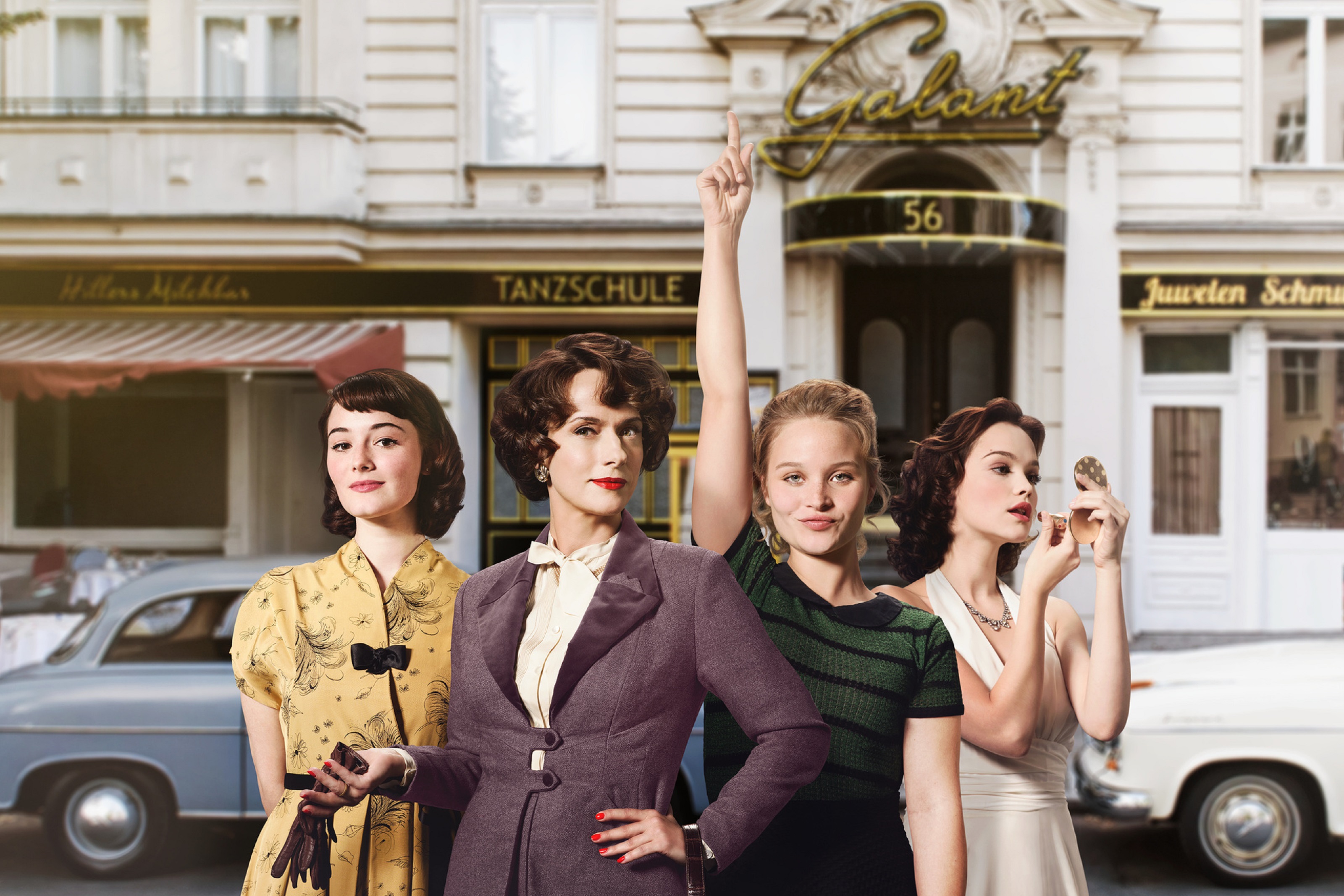
The new episodes of the historical event series tell the exciting and emotional story of factory heiress Christel Wolf (Katja Riemann), her three daughters and their children in the late 1960s. A time of upheaval and change, a tug-of-war between capitalism and political revolution, between family obligations and the urge for personal freedom.
Season 2
Voices
Jörg Schönenborn, WDR Program Director Information, Fiction and Entertainment and ARD Coordinator Fiction: “The first season of UNSERE WUNDERBAREN JAHRE was a really big success in the ARD Mediathek, on the First Channel and also on WDR television. Now our audience can look forward to the sequel. This time, the family saga focuses on the years 1967 to 1969 – a time of political and social change. The years of the economic miracle are over. A new, critical generation is asking uncomfortable questions. It’s about equal rights, the desire for a better future in the country and also about the role of guest workers. I think it’s a very exciting phase of German history that couldn’t be more topical given the issues and challenges we are currently facing. The second season will be filmed exclusively in North Rhine-Westphalia between March and June, thankfully with the support of the Film- und Medienstiftung NRW.”
Benjamin Benedict, Managing Director and Producer at UFA Fiction: “I am delighted that we can continue the gripping story of the Wolf family after the great success of the first season. The focus is once again on the family history and the personal lives of the characters as well as their pursuit of happiness and a self-determined life in a changing world. It’s great that we were able to get Mira Thiel on board as director and screenwriter for the sequel. Many thanks also to the entire team as well as WDR and ARD for the great cooperation and trust.”
Mira Thiel, director: “Entertainment with attitude is the treasure of this material. For me, the late 60s are not wonderful, they are wild. This season is once again about the exciting question of life paths. Of course, because of the leap in time, it’s also about the question of what has happened to the characters in the meantime. How their personalities have developed in the OFF and what (unexpected) breaks we start with in this season in order to send the developed characters into new, exciting, familial cultural conflicts.”
Peter Prange, author of the novel: “In “Our Wonderful Years”, I tried to tell the story of the Federal Republic of Germany from the first to the last day of the Deutschmark. That’s why I’m delighted that it’s now continuing. With the second season, we are opening one of the most exciting chapters in the history of the Federal Republic of Germany. After the end of the economic miracle and the period of restoration, an entire country is reinventing itself. At the same time, the division of Germany seems to be cemented for all time. Only the exchange of money and goods allows a minimum of togetherness. “Change through rapprochement” is supposed to bring about a new beginning. A model that for decades ensured détente between East and West. And which is perhaps being put to its final test these days.”
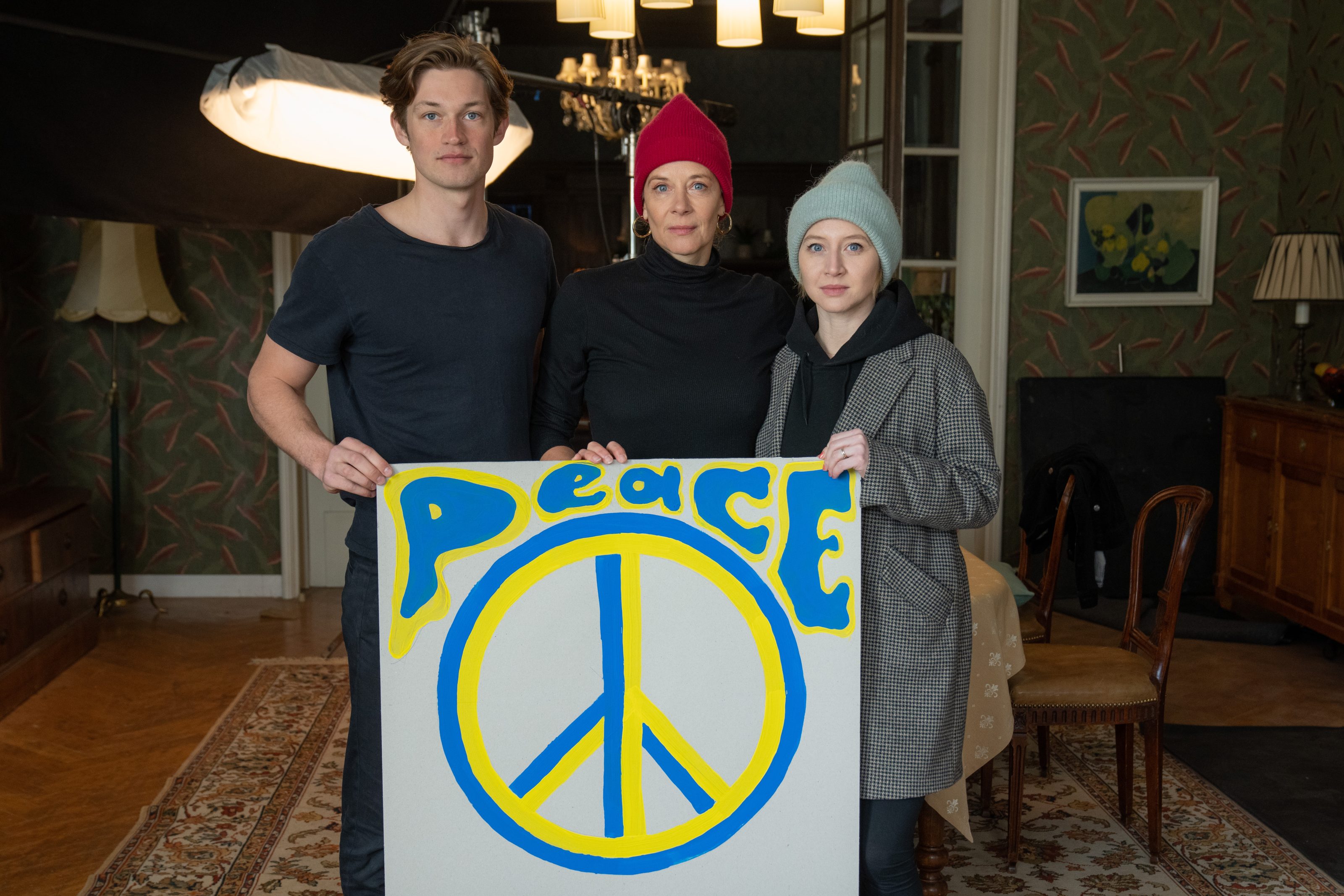
Damian Hardung, who plays the rebellious Winne: “In the spirit of the ’68 movement, Winne is a convinced pacifist who flees from military service. Even though he may not be Rudi Dutschke in terms of rhetoric and knowledge, he is politically motivated to break with Nazi history. He cannot stand the silence about the past. Especially today, this desire to come to terms with the past, the attempt at dialog and demonstrating against the war can make an important contribution to shaping our future.”
To the content
Synopsis: Altena, 1967: there is great anticipation as the 600th anniversary of the tranquil little town is also being celebrated at this year’s shooting festival. Christel Wolff (Katja Riemann) runs the family business “Vereinigte Stahlwerke Altena” with an iron hand, which she saved from ruin after her former business dealings with the Nazis became public and her husband committed suicide. Her relationship with her three daughters is strained: Ulla (Elisa Schlott) lives with Tommy (David Schütter) and daughter Angelika (Smilla Maryluz Liebermann) in East Berlin and has devoted herself to socialism; Gundel (Vanessa Loibl) is hopelessly overwhelmed as a young mother, and her marriage to Benno (Merlin Sandmeyer) is anything but going well; only Margot (Anna Maria Mühe) and son Winfried, called Winne (Damian Hardung), live with Christel in the family villa.
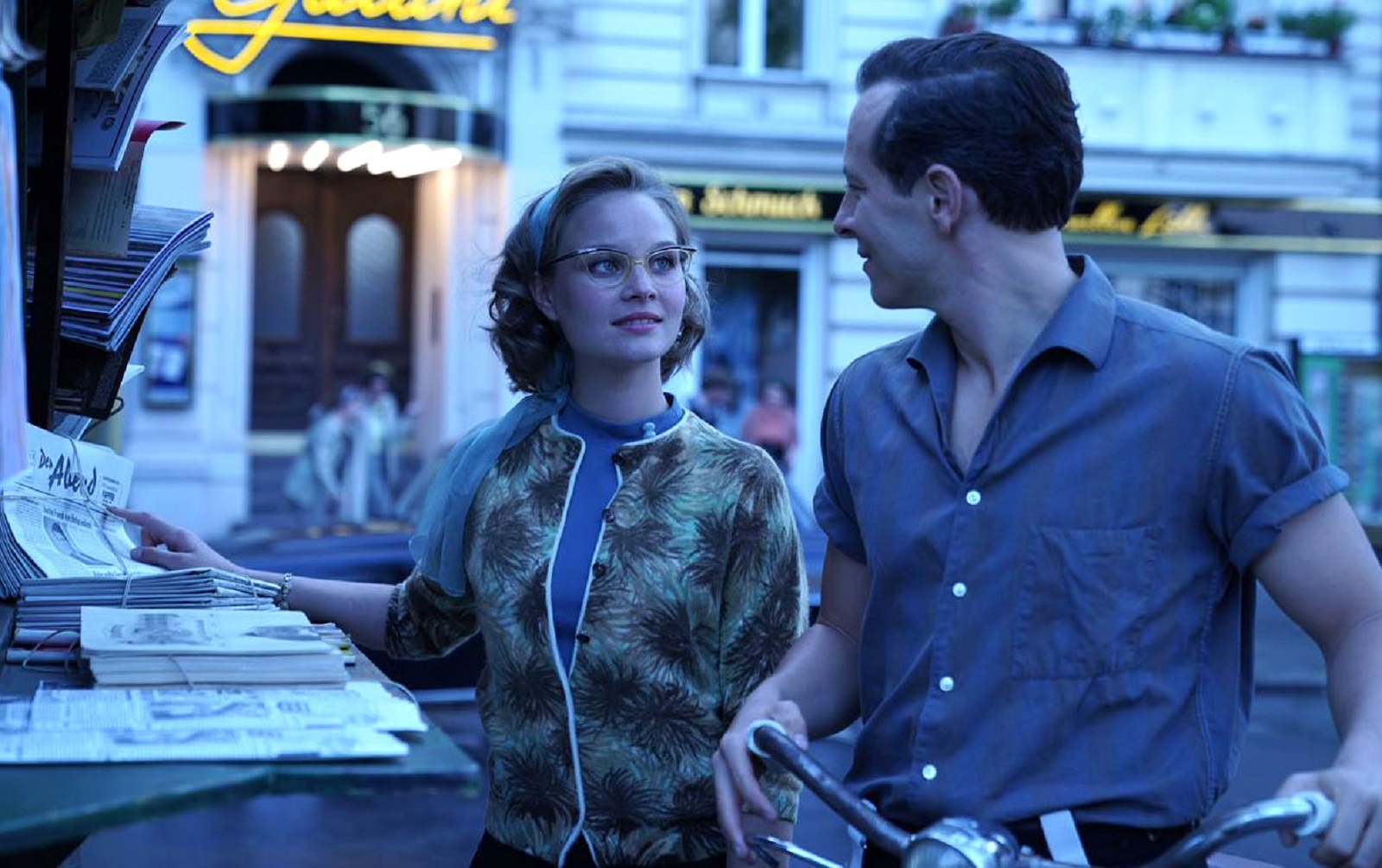
Christel sees her grandson Winne as her successor, but he is more interested in fast cars, cool beats and beautiful girls. Winne has dropped out of high school, dropped out of his apprenticeship, has rebellious slogans and doesn’t want to join the army either – instead he prefers to go to Berlin with his best friend Bijan (Omid Memar) in a stolen car to protest with the students at the upcoming visit of the Shah. But the theft is discovered. Winne bows to the relentless pressure of his grandmother Christel and reluctantly joins the company. Right at the bottom, of course. Generations, perspectives and plans collide. Especially when Winne has to realize the conditions under which the guest workers have to work in the factory.
Suddenly, Winne’s stepfather and former partner at Wolf-Werke, Walter Böcker (Hans-Jochen Wagner), turns up in Altena. The former Nazi fled to Argentina 13 years ago, but after the military coup he is drawn back to his old homeland. And to Margot, his great, unforgotten love. He is accompanied by 19-year-old Gabriela (Rocio Luz), the daughter of a family friend from Buenos Aires, for whom Böcker feels responsible in Germany. In familiar style, Böcker reactivates his old connections and causes a great deal of unrest, while Winne only has eyes for Gabriela.
In the second season, three generations fight for recognition and justice, celebrate successes and sometimes fail with their visions as they seek, find or lose their goals, aspirations and great loves. A stirring social panorama of Germany at the end of the 1960s between student revolts, the economic miracle, the East-West conflict, the Beatles and the Rolling Stones.
Further information
UNSERE WUNDERBAREN JAHRE is a UFA Fiction production commissioned by WDR and ARD Degeto for ARD under the auspices of Westdeutscher Rundfunk. The director is Mira Thiel, who is also responsible for the books as head writer together with Kirsten Loose, Tillmann Roth, Michael Gantenberg and Linda Brieda. The editors are Caren Toennissen (WDR) and Christoph Pellander (ARD Degeto). Producers are Benjamin Benedict and Marcus Welke, executive producer is Eike Adler. UNSERE WUNDERBAREN JAHRE is supported by the Film- und Medienstiftung NRW. Filming for the historical event series took place from March to the end of June 2022 at various locations in North Rhine-Westphalia, including Dormagen, Gummersbach, Hülchrath, Cologne, Mönchengladbach, Rommerskirchen and Zons.
Season 1
UFA FICTION shot the three-part television film OUR WONDERFUL YEARS on behalf of WDR and ARD Degeto. The film was shot in the Czech Republic and North Rhine-Westphalia.
© 1
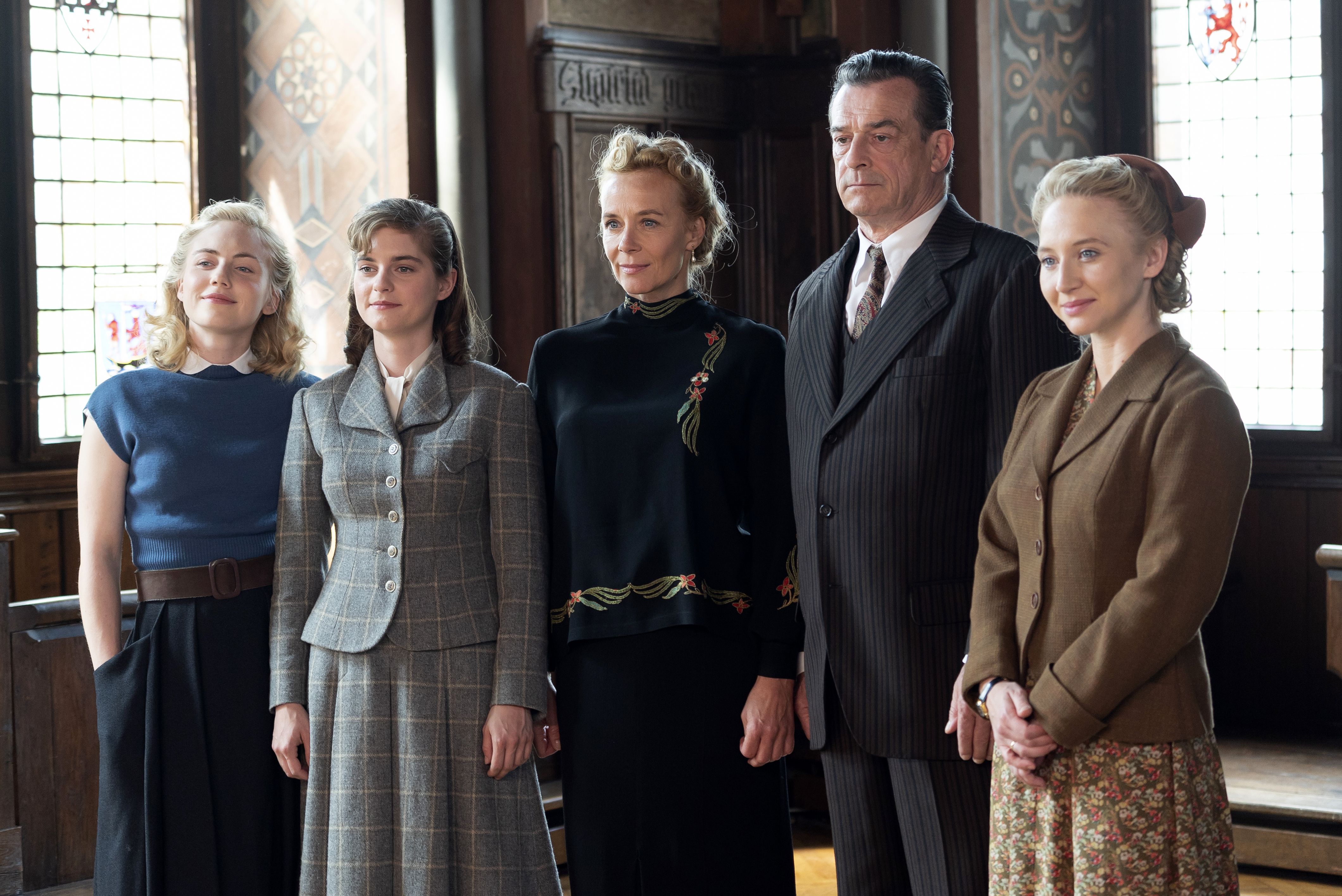
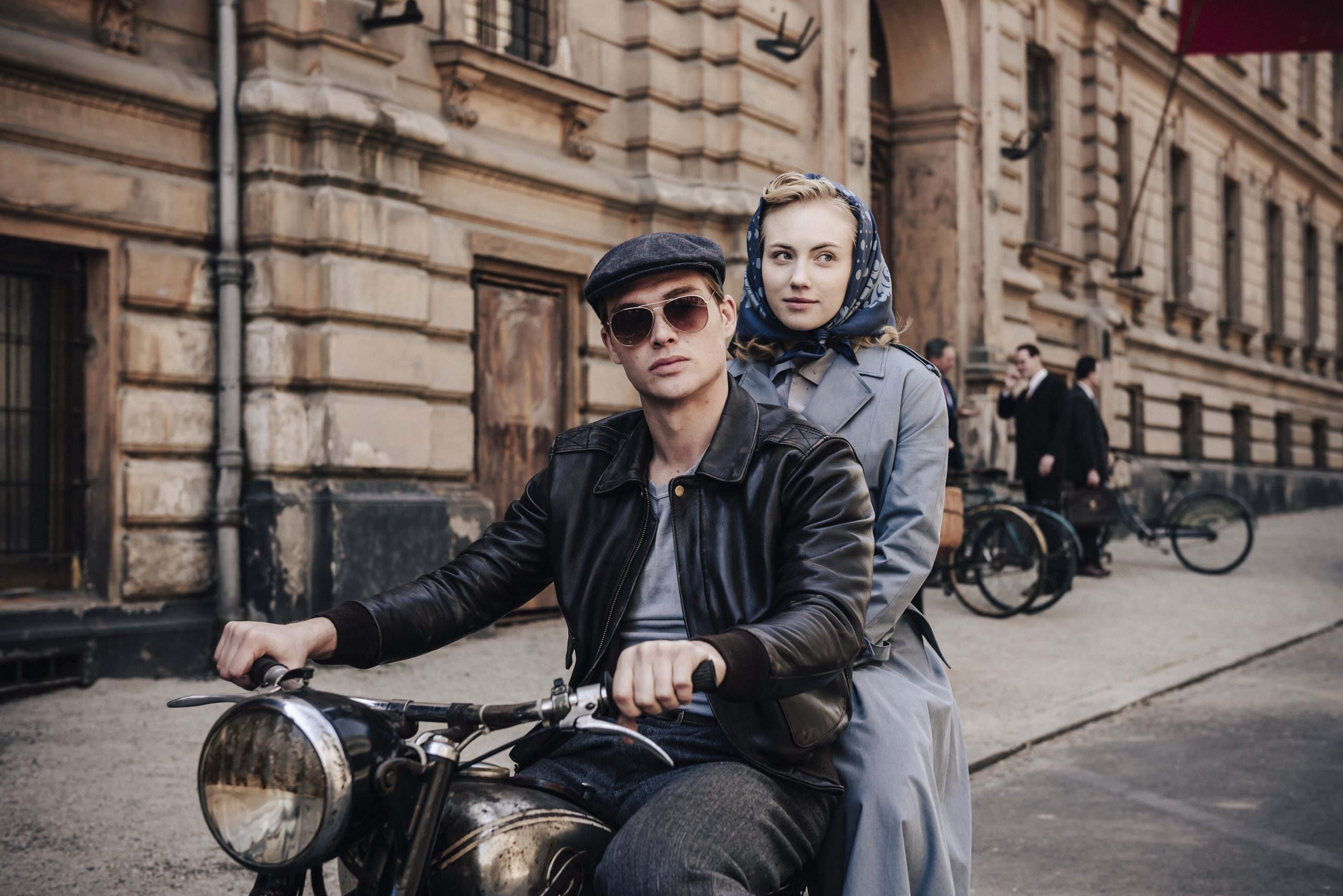
Based on the novel by Peter Prange, this three-part film tells the gripping and very touching story of a family searching for themselves and their possible prospects in Germany in post-war Germany and during the economic miracle in the tranquil town of Altena in the Sauerland region.
Starting with the currency reform of 1948, the protagonists – the three factory owner’s daughters Ulla, Gundel and Margot Wolf and their friends – set off into their future with the still young Federal Republic and follow their very different dreams. Katja Riemann, Anna Maria Mühe, Elisa Schlott, Vanessa Loibl, Ludwig Trepte, David Schütter, Franz Hartwig, Hans-Jochen Wagner and Thomas Sarbacher play the leading roles.
OUR WONDERFUL YEARS on Instagram:
https://www.instagram.com/p/B8tn4CCogNf/
https://www.instagram.com/p/B72_dpWC9aW/
Brief content
Germany, June 21, 1948: In Altena, a small town in North Rhine-Westphalia, long queues form in front of the local bank – just like everywhere else in the country: today, every citizen, rich or poor, old or young, resistance fighter or former Nazi, is given the chance of a fresh start with the introduction of the new currency. Anyone who joins the queue at the exchange office is handed 40 freshly printed Deutschmarks – and can finally decide for themselves what to do with them. The factory owner couple Christel and Eduard Wolf (Katja Riemann and Thomas Sarbacher), their three daughters Ulla, Gundel and Margot (Elisa Schlott, Vanessa Loibl and Anna Maria Mühe) and their friends are also there. Everyone dreams of their future in different ways. Everyone is the architect of their own fortune! Or is it fate that will determine their paths in life? Behind them lies a terrible war and the burden of the past. Ahead of them lies the dawn of a new era!
The different lives of the friends lead to Düsseldorf, Tübingen and East Berlin. They celebrate successes, fight for recognition, fail with their dreams, find or lose the love of their lives: a captivating social panorama of Germany’s economic miracle in the 1940s and 1950s!
Contents Part 1: HOUR ZERO
Summer 1948: Life in Altena in the Sauerland region was tough
after the long years of war. But the sisters Ulla,Gundel and Margot are now in a more exuberant mood. The
youngest, Ulla, turns the head of daredevil Tommy, who has just returned from
captivity as a prisoner of war. Yet she is
as good as engaged to pharmacist’s son Jürgen. Meanwhile, shyaccountant Gundel is preoccupied with the figures of herfather’s company, Metallwerke Wolf. She doesn’trealize that Tommy’s boyfriend Benno only has eyes for her. The
eldest sister Margot looks after her son Winne. Her
husband Fritz has not yet returned home after the war.
Company boss Eduard Wolf is put under pressure by the weakened workers
. Food is scarce. They go on strike, led
by Tommy. There is inflation, even the money of a
factory owner is no longer worth anything. Ulla then exchangesvaluables for potatoes for the workers. Ulla
wants to study medicine and is even invited to take the
entrance exam. Because her father is against it, Tommy helps her to forge
his signature.
Unexpectedly, the British drive onto the company’s premises with their commander Jones
. Their order: Total dismantling. All
machines are to be confiscated. But Jones quickly realizesthat he has a decent entrepreneur in Wolf, not a strapping Nazi. He therefore leaves Eduard a few
machines. An opportunity that Walter Böcker, former
local leader of the NSDAP, knows how to exploit: he has made his fortune
with forced labor, weapons and ammunition. Andnow he makes Eduard a tempting offer. Buthe declines for the time being. Christel is glad, because no one is a match for
like Böcker, not even her Eduard.
June 20, 1948: The new currency is here! Everyone receives 40 DM. Sodo the six friends. Margot is also happy, because nowFritz has finally returned home. But the atmosphere in the villa
is icy, and for Winne, his father is a stranger. After an
argument with Eduard, Margot moves out with her husband and child. Christeltries to smooth things over and persuade Margot to stay, but she remains stubborn. They end up in a spartan attic apartment
and now want to take the plunge without the family’s support
.
The next morning, Ulla secretly takes the medical entrance exam
in Tübingen, which she passes. The charmingTommy accompanies her and the two spend passionatehours together. However, when her father gets wind of the
affair, he forbids her from seeing him. He wants her to marry
Jürgen and – much to Gundel’s displeasure – take over his
succession. In this tense atmosphere,Margot approaches her father with a request: Fritz has tuberculosis,and he will die without treatment, butthey can only afford it with Eduard’s help. But Eduard refuses to help the hated
ex-Nazi son-in-law. Margot is outraged
. After all, it’s also about Winne and her.
At the town shooting festival, Tommy shoots the eagle
and wants to make Ulla his shooting queen. However, she
rushes off angry and overwhelmed because he has made her secret love
public against her will.
A scuffle breaks out between Jürgen and Tommy.
Jürgen runs after Ulla and wants to propose to her
, but Ulla puts the brakes on him. She is caught between two worlds.Gundel – herself desperate about her role as the eternalsecond – offers herself as Tommy’s queen. The two dance exuberantly,which Benno observes painfully. They end up
drunk in Tommy’s wagon, where Gundel sleeps with him
.
Eduard and Christel are already waiting at home. Gundel confrontsher father with her anger, as he would now ratheraccept Böcker’s offer and work with him,than make her his successor. She finally tells Ulla,
that she spent the night with Tommy, and he wants to talk to Ulla the
next morning, but for her he has now gone too far
. There is a scuffle between
Eduard and Tommy in front of the villa, with the latter knocking Eduard to the ground.
Ulla is stunned. Tommy then leaves Altena and goesto East Berlin. Ulla goes to Tübingen to start her studies there. And the terminally ill Fritz asks Margot to provide euthanasia
.
The next morning, Commander Jones is at the door of
company boss Eduard Wolf and arrests him: the charge
is “war crimes”.
Contents Part 2: OLD DEBT AND OLD LOVE
April 1949. Ulla is finally living her dream: she studies medicine
in Tübingen and works part-time at the university hospital.
When she learns that her father has been arrested, she returns to
Altena. Her mother Christel is certain that Böckerhas denounced him for having delivered barbed wire to the Bergen-Belsen concentration camp. If no evidence to the contrary is presented,things look bad for Eduard. But the old papers are
allegedly burnt in an air raid.
Ulla has an idea. Years ago, her father had helped his friend,the Jewish pharmacist Julius Rosen, to escape. He
could testify as a character witness. So Ulla asks Jürgen tohelp her. Jürgen’s father had taken over the local pharmacy
when Rosen had to leave the town. In the
attic, they find photos of him
and his children and a postcard from his aunt in an old cupboard. Jürgen
now begins to question how his father came to own the pharmacy
. Even if his father doesn’t say so,
he benefited from the expropriation of the Jews. For Jürgen, this is a
bitter realization that leads to a break with his father.
The traces of Julius Rosen lead Ulla to East Berlin. In her
desperation, she turns to Tommy, who is studying here and
has in the meantime started an affair with his professor Sibylle
Himmelreich. With the helpof Sibylle, who has excellent connections, they actually find the wantedJulius Rosen. But of course the oldfeelings between Ulla and Tommy flare up again. But too much
stands between them. Ulla still sees nothing wrong with her father
, which Tommy can’t understand given the accusations against
Eduard. How can she
be so naïve as to believe that Eduard was the only steel
manufacturer in the whole of Germany who didn’t get his hands
dirty? Ulla is hurt: If he thinks like that,
why did he help her at all? But his
answer, that she is the only reason, is already
lost on her. Because Julius Rosen is standing across the street with a suitcase at
. He has changed his mind and is going to help
Eduard in Altena.
Meanwhile, Gundel is running the company, much to the displeasure of
von Böcker, who wants to be the sole manager. He hasa plan to take over the company. When bank directorMücke rejects Gundel as managing director andthus terminates the coin contract, the Wolf familymust accept him as managing director. But Gundel – to
everyone’s surprise – offers to make the coins without an invoice.
This is only due when her father returns. Until then,the family is liable with its private assets. Mücke
cannot refuse the deal, much to Böcker’s annoyance. Gundel is now full of energy
and meets her old love Benno again in Düsseldorf
and the two become closer.
Life is anything but rosy for Sister Margot. After
the death of Fritz, she tries to earn money by smuggling.
One night, she causes an accident and confides in
Böcker, of all people, in her time of need. He gives her
an envelope with money to pay for a passage to
Argentina and passports for herself and Winne.
He also promises to take care of her and “sort out” the
secret accident. When she visits her father in prison
to say goodbye to him, the
argument escalates again and Margot angrily tells her father that
she has reported him. Eduard is stunned.
Julius Rosen testifies in court on Eduard’s behalf, and the Commander releases him
. There is great joy, also because
Gundel has become engaged to Benno. But suddenlyEduard receives papers from Tommy, who has returned home especially for this purpose, whichincriminate him heavily. And he is faced with a momentous
decision. Can these papers prove his guilt?
Contents Part 3: GHOSTS OF THE PAST
Eduard has bequeathed the company to Christel and his daughters.
However, due to the marriage of Margot and Böcker
in the meantime, the couple now basically own the majority
of Vereinigte Metallwerke. With a heavy heart,
Ulla gives up her medical studies and decides to get her life in
Altena in order for the time being and also to make a final break with
Tommy, who has gone back to East Berlin
. Ulla feels lost after the death of her father;Jürgen’s solid manner gives her stability. So she finally accepts
his marriage proposal.
Despite marrying Gundel, Benno lives in
Düsseldorf during the week, while she stays in Altena to continue working at the
company. In Düsseldorf, Benno gets closer to his colleagueRegina. One day, when Gundel overcomes her fear of taking the train
and visits Benno, she catches him
in flagrante delicto with Regina.
Böcker has been elected as the new employer president.
He is making plans for how to produce ammunition again
. Gundel and Ulla want to prevent this from happening for the company by
any means necessary, but first they have to convince
Margot – and deliver a counter-proposal, but
what can it look like?
During the workers’ uprising on June 17, 1953, Tommy
is targeted by the Stasi. He flees toAltena with his young daughterAngelika, the result of his affair with Sybille, and applies for a job with Ulla at the Wolf company. After some initial
hesitation, Ulla hires him. At the same time, Ulla and Gundel presenttheir business ideaof electrically operated hospital beds as an alternativeto manufacturing ammunition to the other shareholders. When it comes to the vote
, Böcker thinks he has won with Margot’s vote
, but she votes for the beds. Furious,
Böcker rushes off. But the Wolf women are united again
for the first time in a long time.
After almost a week in which no one has heard from Böcker
, he suddenly reappears. He reproaches Margot
for betraying him during the vote. He even
made sure that she didn’t end up in prison
after she ran over a border guard
in an accident. Margot is devastated. She drives with
Winne to the border guard
, who has been severely disabled since the accident, and talks to him. She wants to show her son that it’s never
too late to turn back once you’ve lost your way.
Jürgen’s jealousy of his wife’s career goes so far,
that he threatens Ulla and forces her to resign. The main reason for this
is that he has since found out that
Tommy is now working at the company again. But Ulla turnsagainst him. The two of them come to blows with
serious consequences. Meanwhile, Margot is having more and more
doubts about her relationship with Böcker. She decides to leave him at
. Böcker has plundered the company’s accounts in revenge
and wants to continue his life in Argentina. The
company is on the brink of ruin. But Christel refuses to give up
and wants to continue running the family business.
Because: Margot wants to take responsibility in court for the border guard’s
injuries. Ulla makes it clear to her mother
and her sister that she must finally find herself again
. She wants to resume her medical studies in Tübingen
. And Gundel? She longs for her husband
Benno and the prospect of a family and children. She
also wants to stand on her own two feet.
So things are getting tight for the continued existence of Wolf. There
are only two options: the sale of the company or
a complete reestablishment. The sisters plead forsale. Christel, however, does not want to give up the steel factory yet
and dares to found a new company. Alone. But more powerful
than ever! All four women now go their own way. None
knows where it will lead …
Image material
Data on the historical background
May 8, 1945: General Field Marshal Keitel declares the unconditional
surrender of the Wehrmacht. This marks the end of the Second
World War in Europe.
From November 1946: the food supply in Germany
collapses in many places during one of the coldest winters in decades. Hundreds of thousands of people die in
Germany during this “winter of hunger”.
3 April 1948: The “Marshall Plan” – the major economic stimulus program
of the USA to help distressed countries in Europe
and thus also to push back the influence of communism
– is put into effect by Harry S. Truman.
The United States helps with loans,
raw materials, food and goods for four years.
June 20, 1948: The currency reform comes into force in the three western
occupation zones. From early Sunday morning
the “bounty” of DM 40 per person
is issued. The German mark (DM) is the sole legal tender in Germany from June 21
.
June 24, 1948: In response to the currency reform,
the “Berlin blockade” is imposed in the Soviet occupation zone.
The blockade is intended as a means of exerting pressure to integrate Germany into
its own economic and political system. The
Western Allies can no longer supply the city via land and
water connections. They also imposed a blockade with
and set up the “Berlin Airlift”.
August 14, 1949: The first Bundestag election takes place. The
CDU/CSU forms a coalition with the FDP and the DP (German Party).
Konrad Adenauer, leader of the CDU parliamentary group in the
British zone and former Lord Mayor of Cologne,
becomes the first Federal Chancellor.
October 7, 1949: The German Democratic Republic (GDR)
is officially founded and sees itself as a socialist
state of workers and farmers.
From 1950, the so-called “economic miracle” begins in
West Germany. In this year, the real income
of an average family is already higher than before the war.
Workers are urgently needed, especially migrants
from the GDR are welcome. Hundreds of thousands of
academics, self-employed people and tradespeople emigrate to
the West.
June 17, 1953: A popular uprising breaks out in the GDR due to the poor
supply situation. Millions of peoplego on strike, protest against the prevailing conditionsand demand an economic and political rethink.The uprisings are violently suppressed by the Soviet army. Over 30 people are killed.
1955: The strongest year for growth in the Federal Republic. The
economy grows by 10.5 percent, real wages rise by
10 percent and there is almost full employment.
Further information
UNSERE WUNDERBAREN JAHRE (OUR WONDERFUL YEARS) is a UFA FICTION production commissioned by WDR and ARD Degeto for the German public broadcaster Erste and produced by Westdeutscher Rundfunk. It is directed by Elmar Fischer from a screenplay by Robert Krause and Florian Puchert, based on the novel by Peter Prange. The director of photography is Felix Novo de Oliveira. The editors are Caren Toennissen (WDR) and Christine Strobl (ARD Degeto). Producers are Benjamin Benedict and Christian Rohde, producer is Alena Jelinek (UFA FICTION). UNSERE WUNDERBAREN JAHRE is supported by the Film- und Medienstiftung NRW.
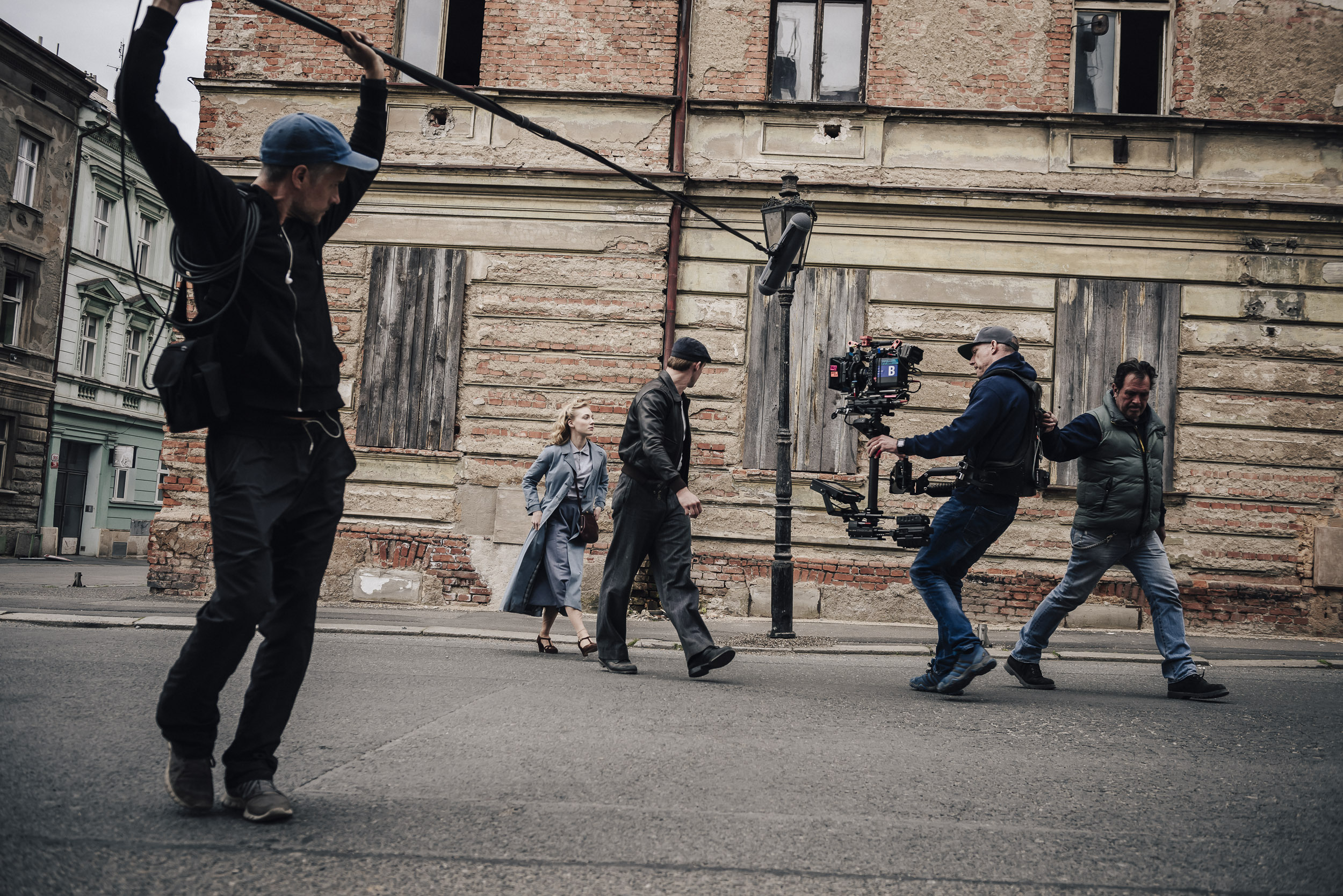
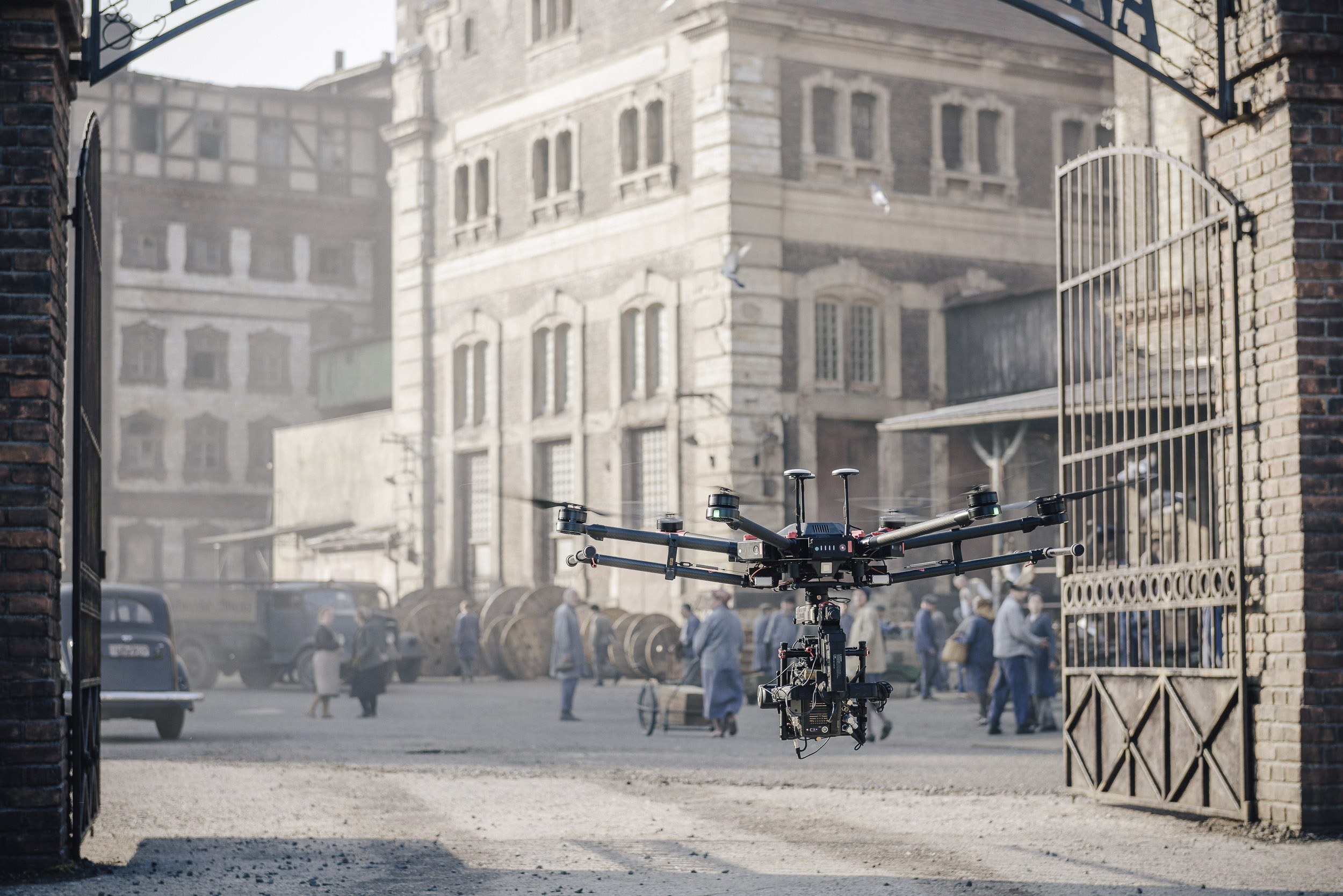
Filming for the multi-part TV movie took place in April and May in the Czech Republic and then at various locations in North Rhine-Westphalia (Solingen, Gummersbach, Düren, Cologne, etc.) until the end of July 2019. Broadcast is scheduled for March 18, 21 and 25, 2020.
Play credits
Pause credits