
Die Flucht (original title)
UFA FICTION GmbH • TV Movie • ARTE • March 4 and 5, 2007
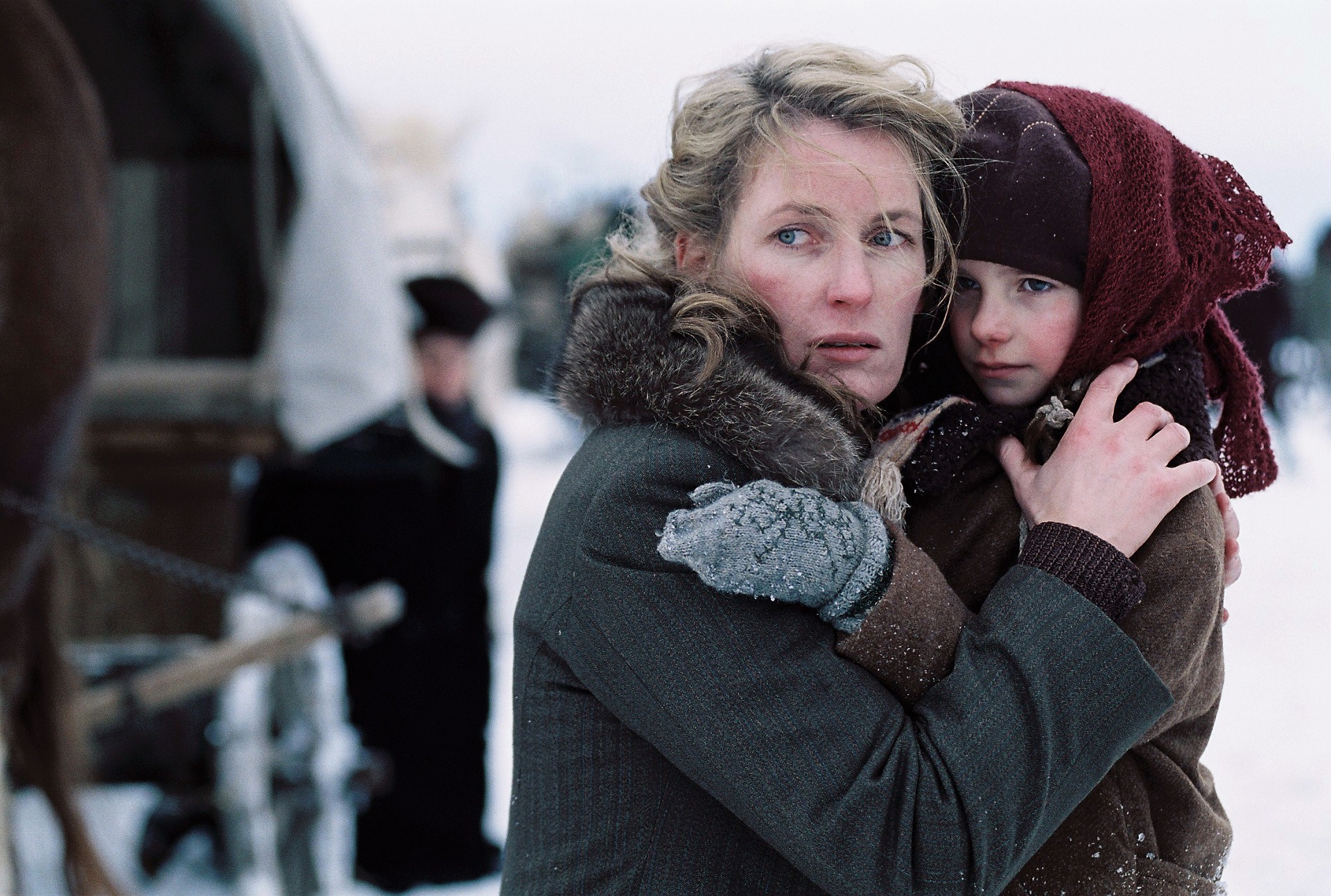
In the summer of 1944, Lena Countess von Mahlenberg returns from Berlin to her East Prussian homeland. There, the self-confident woman is confronted not only with her old family conflicts, but also with the desolate local situation.
“Die Flucht” is a teamWorx production in co-production with ARD Degeto, BR, WDR, SWR, HR, ARTE and EOS Entertainment, in cooperation with RBB. Funded by FilmFernsehFonds Bayern, Medienboard Berlin-Brandenburg, Nordmedia and MEDIA Plus.
CONTENT OF THE FILM
In the summer of 1944, Lena Countess von Mahlenberg travels from Berlin to her native East Prussia to reconcile with her terminally ill father.
Eight years earlier, Lena had left East Prussia to raise her illegitimate child Viktoria instead of marrying Count Heinrich von Gernstorff, to whom she had long been “promised” but whom she had never loved. The decision in favor of the child and against marriage to Heinrich led to a break with her father, Berthold Count von Mahlenberg.
Her father is also brusque and dismissive when she returns. In order to prove to him that she is a good daughter, Lena once again accepts the customs of the East Prussian nobility. During the turmoil of war, she takes over responsibility for the Mahlenberg estate. She brings her daughter, who is in the Kinderlandverschickung in Bavaria, to her and makes the decision to marry Heinrich after all. However, the suicide of Heinrich’s brother Ferdinand initially prevents the wedding.
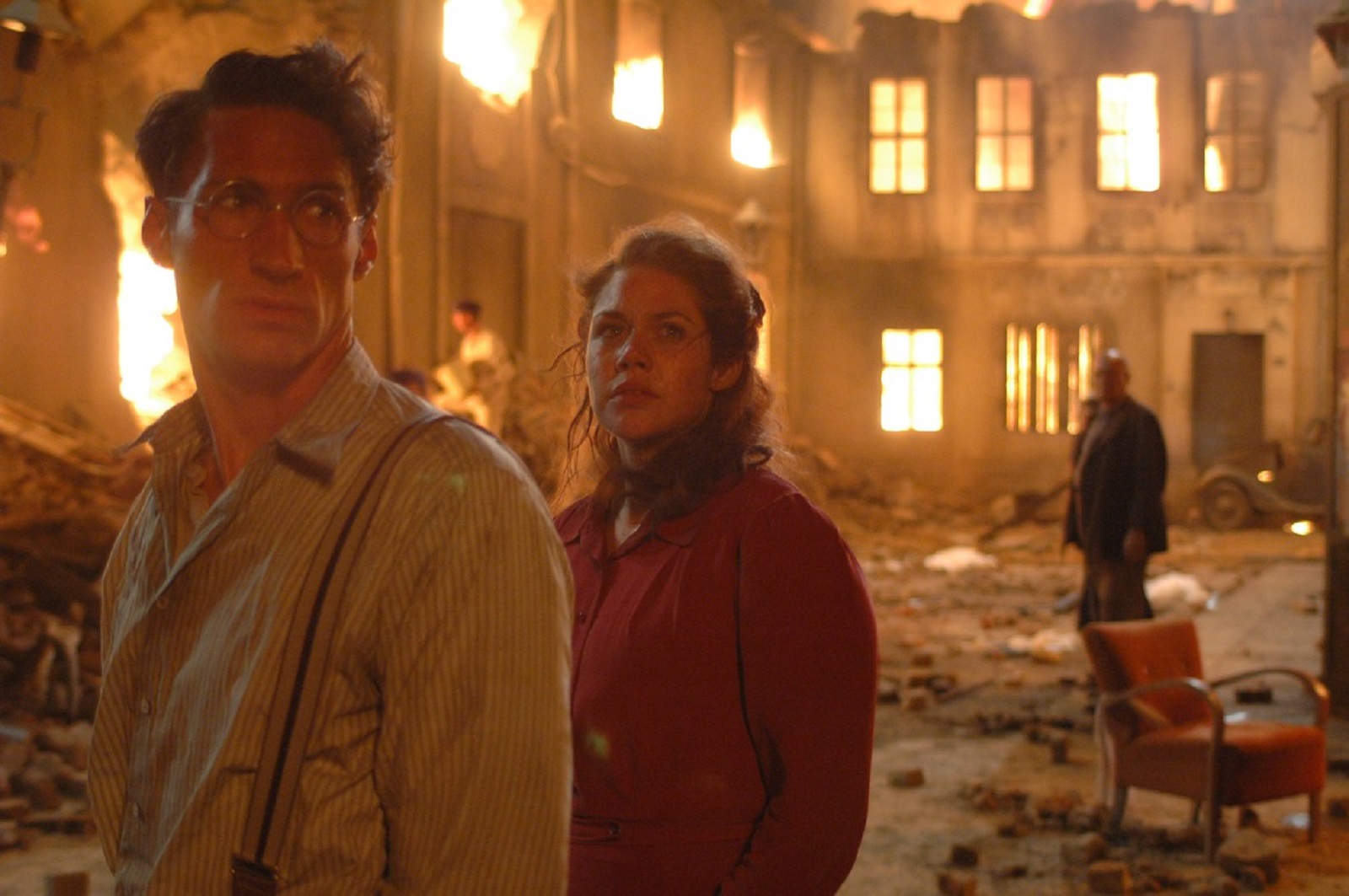
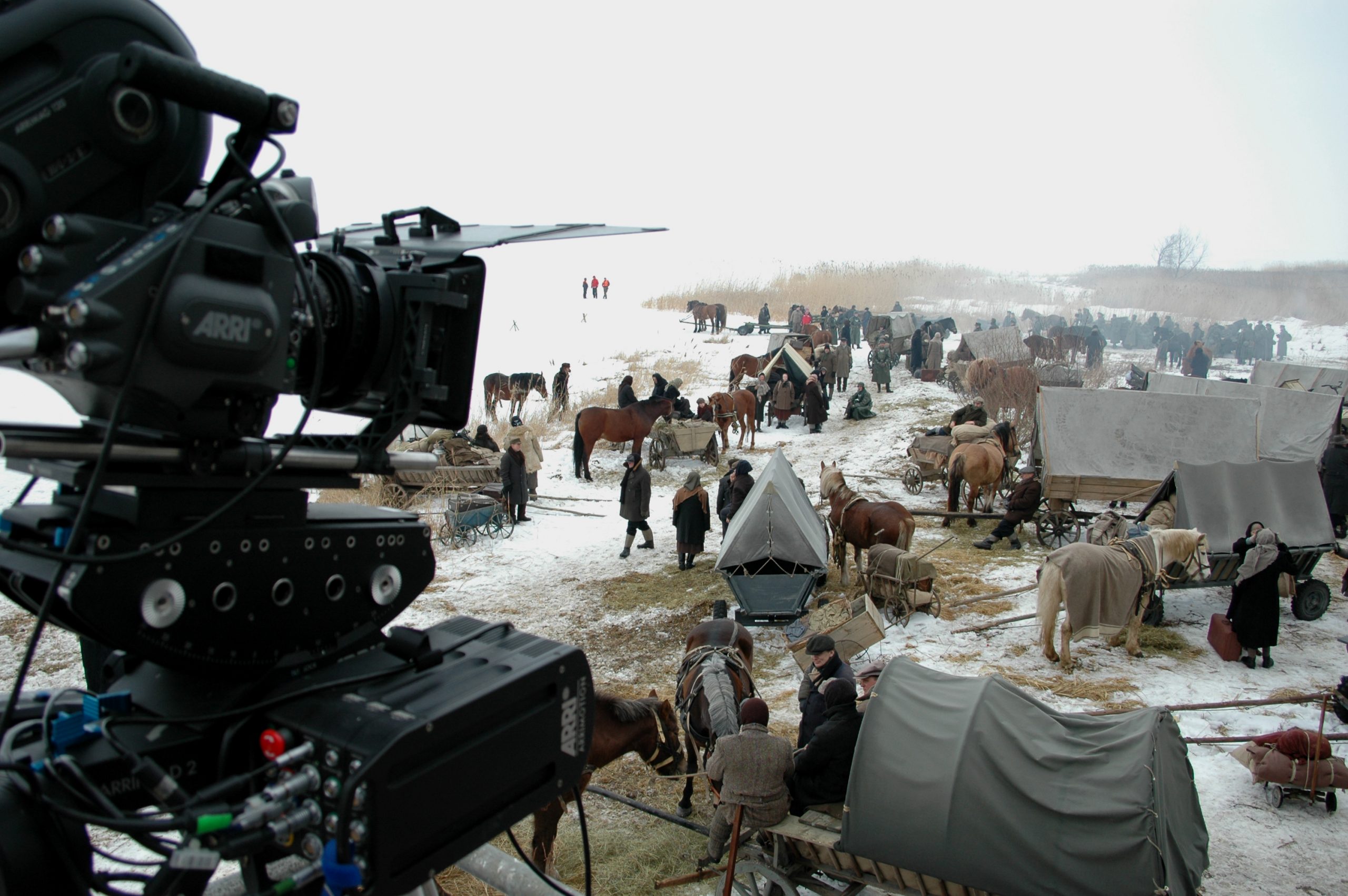
As the treks of refugees from Memelland and Lithuania increase and the front draws ever closer, Lena tries to suppress the impending doom. But a man on her farm keeps drawing her attention to the approaching catastrophe: François Beauvais, a French prisoner of war. An impossible emotional connection develops between him and Lena.
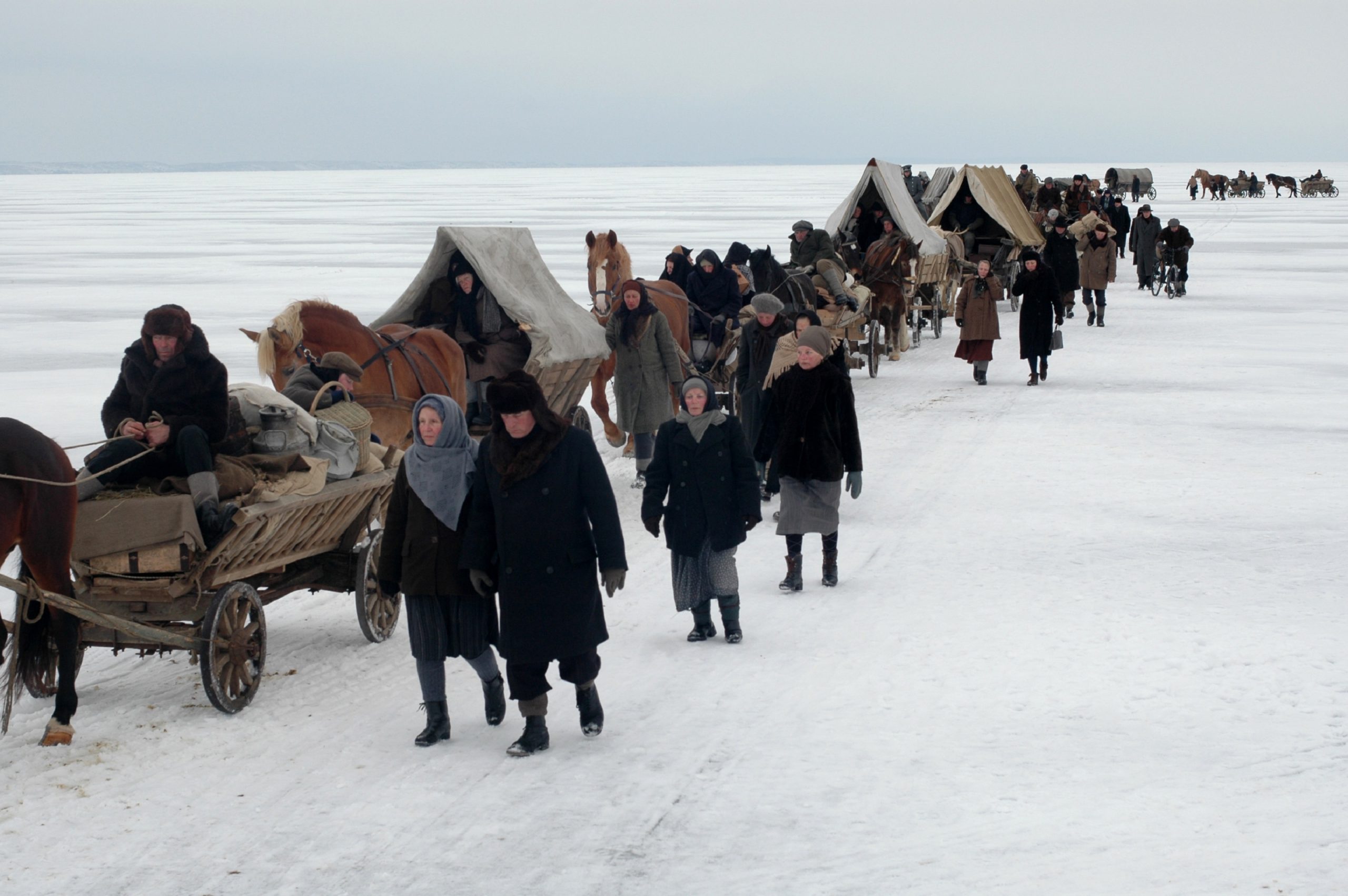
Lena is increasingly caught between her traditional upbringing and a new era. In January 1945, she and her daughter have to flee from the approaching front with the people of their estate. Her father, Count von Mahlenberg, sees the downfall of the old world as inevitable, but is unable to let go of the old values. Although he manages to reconcile with his daughter, he stays behind at the family estate and leaves Lena in charge of the uncertain future of the Mahlenberg trek and the survival of her charges.
Lena leads the people entrusted to her care through a merciless winter, from East Prussia to Bavaria. On this long and arduous journey, Lena’s relationship with François develops into a life-threatening entanglement that ultimately forces her to give up her love.
Lena reaches Bavaria in the spring of 1945. The old social order has finally dissolved. There is room for new paths. Lena now irrevocably decides against Heinrich. The path into the new era leads to the previously immovable conventions fading away: Lena leaves behind privileges, class arrogance and traditional aristocratic power structures. The forced migration of peoples has made the people, originally far removed from one another in terms of socialization and origin, more equal: They are all faced with nothing, the ruins of their existences, and have to start anew, each for themselves.
Cast & Crew
CAST
Lena von Mahlenberg
Maria Furtwängler
François Beauvais
Jean-Yves Berteloot
Heinrich von Gernstorff
Tonio Arango
Babette
Gabriela Maria Schmeide
Berthold von Mahlenberg
Jürgen Hentsch
Rüdiger von Gernstorff
Hanns Zischler
Sophie von Gernstorff
Angela Winkler
Ferdinand von Gernstorff
Max von Thun
CREW
Screenplay
Gabriela Sperl
Direction
Kai Wessel
Camera
Holly Fink
Producer
Gabriela Sperl
Joachim Kosack
Nico Hofmann
Jürgen Schuster
Co-producer
Jan Mojto
Producer
Katrin Goetter
Editorial office
Jörn Klamroth (ARD Degeto)
Hans-Wolfgang Jurgan (ARD Degeto)
Casting
Nina Haun
Production design
Knut Loewe
Costume design
Wiebke Tratz
Make-up
Gerhard Zeiss
Cut
Heidi Handorf
Carsten Eder
Tina Freitag
Music
Enjott Schneider
Sound
Roland Winke
Production management
Sebastian Werninger
Production management
Dirk Ehmen
Customer

Play credits
Pause credits